DRY SKIN: What causes it and how to prevent it
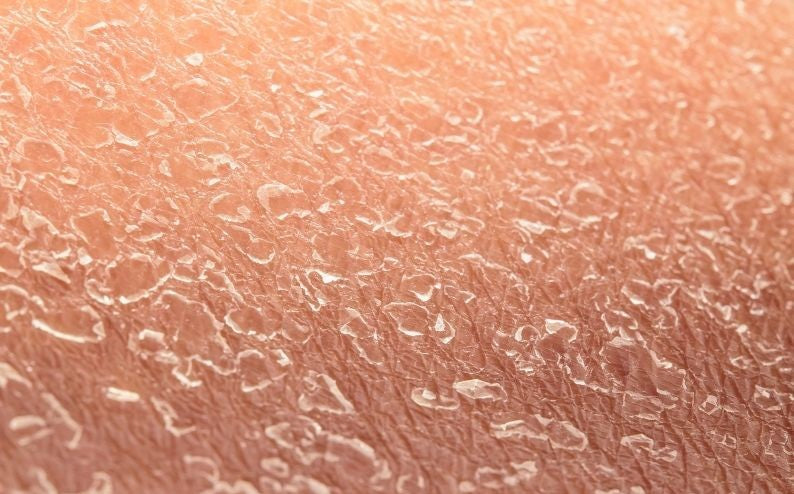
Dry skin is a condition in which the skin loses its natural moisture. It feels tight and rough, and often flaky and itchy too. Dry skin is usually the result of losing the natural oils and lipids that make up a healthy skin barrier. Staying hydrated, using moisturising products and caring for your skin properly are key to managing and preventing it.
WHAT IS DRY SKIN AND WHAT TYPES ARE THERE?
Dry skin is a condition caused by too little moisture and a loss of the skin's natural lipids. The skin becomes rough, cracked and scaly. It can be very uncomfortable and cause itching, burning and irritation, which is why it's important to look after it.
There are several types of dry skin, each with its own symptoms. Some of the most common are:
- XEROSIS: Very dry, scaly skin caused by a lack of moisture. It is often triggered by external factors such as cold, wind, low humidity, frequent showering or harsh cleansers. It usually appears on exposed areas such as the hands, legs, elbows and knees.
- CONSTITUTIONALLY DRY SKIN / CONSTITUTIONAL ECZEMA: This type is typically linked to a weakened skin barrier. It is often genetic and present from birth. The skin is usually thin, scaly and prone to losing moisture.
- CONTACT DERMATITIS: Dry skin appears when the skin comes into contact with something that causes irritation or an allergic reaction. It shows up as dry, itchy, red skin. Common triggers include jewellery metals, cosmetics, detergents and certain medicines.
- ATOPIC DERMATITIS / ATOPIC ECZEMA: A chronic inflammatory skin condition that causes itchy, irritated and dry skin. It is common in people prone to allergies and asthma.
- SEBORRHOEIC DERMATITIS: Dry skin often appears in areas where the sebaceous glands are more active, such as the scalp, face, ears and chest. Besides dryness, there may be yellowish-white scales and itching.
- AGE-RELATED DRY SKIN: As we age, the skin's moisture content and natural lipid layer decrease, leading to dryness, increased sensitivity and moisture loss. It often appears on the face, neck and hands.
Keep in mind that the causes and symptoms of dry skin vary from person to person. If you struggle with dry skin, it's always a good idea to see a dermatologist, who can find the specific cause and start the right treatment.

COMMON CAUSES OF DRY SKIN AND HOW TO SPOT THEM
Dry skin can be caused by many factors that affect the skin's moisture levels. Here are the most common causes and how to recognise them.
- Dry air
When the air around you is dry, your skin dries out too. This usually happens in winter because of indoor heating. Dry skin loses its elasticity and softness and may feel rough and itchy.
- Using too much soap or shower gel
Soap can strip away the natural lipids that make up a healthy skin barrier. Overusing harsh soaps and shower gels can lead to dry skin that shows up as redness, loss of elasticity and itching.
- Frequent baths or showers
Bathing or showering often can strip the skin of its natural oils and dry it out. The problem is usually made worse by water that's too hot and showers or baths that are too long. Typical signs are flaking and rough, cracked, dry skin.
- Dehydration
Dry skin can be a sign that your body is dehydrated. If you don't drink enough water during the day, your skin may become dry, cracked, less elastic and flaky.
- Genetics
Some people are genetically predisposed to dry skin. Their skin tends to be less elastic, cracked and rough.
- Ageing
As we age, the skin's moisture content drops. Collagen levels fall too, so the skin becomes less elastic over the years. In older people, dry skin shows up as fine lines, a scaly look and itching.
If you notice signs of dry skin, it's important to find the cause and take steps to improve your skin's hydration. Regular skincare, the right products and a few lifestyle changes can make a real difference.

EFFECTIVE WAYS TO PREVENT DRY SKIN
Dry skin can be uncomfortable and make your skin look unhealthy. In this part of the article, find out which methods can help you prevent dry skin and keep it hydrated and smooth.
- Turn down the water temperature
Hot water strips the skin of its natural oils, which can lead to dry skin. So it's best to bathe or shower in warm rather than hot water. It also helps to keep baths and showers shorter so your skin doesn't dry out too much.
- Avoid harsh cleansers
Shower gels or soaps that are too harsh can dry out the skin. It's better to use gentler cleansers with ingredients that help preserve the skin's natural moisture.
You can buy a gentle, natural shower gel suitable for dry skin HERE.
- Use moisturising creams and balms
Moisturising creams and balms help preserve the skin's natural moisture and stop it drying out. Use them regularly, especially after a bath or shower, when the skin loses moisture most easily.
Try our nourishing balm, which uses the power of natural ingredients to lock moisture into the skin, HERE.
- Use a humidifier
A humidifier helps keep moisture in the air, which reduces the chance of dry skin. You can buy one in homeware shops, or simply use a water spray or put a bowl of water on the radiator.
- Drink enough water
Drinking enough water matters, because it helps your body retain moisture. Skin that's well hydrated from the inside is less prone to dryness.
- Adjust your diet
Some foods can help keep your skin hydrated. Foods rich in omega-3 fatty acids, such as salmon, walnuts and flaxseed, help the skin retain moisture. It's also important to eat plenty of fruit and vegetables, which contain the vitamins and minerals your skin needs to stay healthy.
Building these habits into your daily life helps prevent dry skin and keeps it healthy and hydrated.

HOW TO CARE FOR DRY SKIN AND RESTORE ITS NATURAL LIPID LAYER
Dry skin needs special care and hydration to restore its natural lipid layer and stop it drying out further. Here are a few ways to care for dry skin and rebuild its lipid layer.
- Use gentle cleansers
When cleansing, it's important to use gentle products that won't dry out your skin. Choose alcohol-free, fragrance-free products. A gentle cleanser removes dirt and oil without damaging the skin barrier.
- Use body lotion
Body lotion is essential wherever you have dry skin. It helps restore the skin's natural lipid layer, which keeps moisture in. Use it twice a day, morning and evening, or as needed.
- Use a nourishing body balm
A nourishing body balm adds moisture and creates a protective layer that stops the skin drying out. It soothes and cares for cracked skin, has an anti-inflammatory effect and helps skin cells regenerate.
- Add oil to your bath
A few drops of oil in your bath can help restore the skin's natural lipid layer. Oils such as olive, almond or jojoba oil help bring back moisture.
- Use a face mask
Dry skin on your face? Try a face mask. Masks with moisturising ingredients such as honey, hyaluronic acid and glycerine can boost your skin's moisture levels.
By adding these steps to your skincare routine, you'll support a healthy skin barrier and soft, smooth skin.

DIET AND LIFESTYLE TO PREVENT DRY SKIN
Diet and lifestyle can play an important role in preventing dry skin. Here are some tips for healthy eating and living that can help keep dry skin at bay.
- Eat enough fat
Fats are an important part of a healthy diet, as they help keep moisture in the skin. Choose healthy fats such as omega-3 fatty acids, found in fish, nuts and seeds.
- Get enough vitamins and minerals
Vitamins and minerals are key to healthy skin. Eat foods rich in vitamins A, C and E, which help repair and protect the skin. Minerals such as zinc, iron and selenium are important too.
- Cut down on alcohol and caffeine
Alcohol and caffeine can dehydrate the body and reduce the skin's moisture content, which may lead to dry skin. Try to limit them and drink water and other healthy drinks instead.
- Reduce stress
Stress can make your skin worse. Relaxation techniques such as yoga, meditation or breathing exercises can help reduce stress and improve your overall health.
- Don't smoke
Smoking can cause dry skin. It's best to avoid smoking and other people's tobacco smoke.
- Move regularly
Regular exercise improves circulation and helps keep skin healthy. Aim for at least 30 minutes of activity a day, such as walking, running or cycling.
- Get enough sleep
Sleep is key to skin repair. Aim for at least 7–8 hours a night so your skin can renew and regenerate.
Changes to your diet and lifestyle can help prevent dry skin and improve your overall health.

INGREDIENTS THAT FIGHT DRY SKIN
When choosing skincare for dry skin, look for products that contain these ingredients:
- Honey: Honey is a natural humectant that helps keep moisture in the skin and nourishes it. It also has antioxidant and anti-inflammatory properties that help soothe dry, itchy skin and support its renewal.
- Niacinamide: Niacinamide, also known as vitamin B3, helps strengthen the skin barrier and reduce moisture loss. Its anti-inflammatory properties calm dry, irritated skin and give it a healthy glow.
- Allantoin: Allantoin soothes and moisturises dry skin. It also has a mild exfoliating effect that helps remove dead skin cells and encourages skin regeneration and renewal.
- Panthenol: Panthenol, also known as provitamin B5, is an effective moisturiser for dry skin. It penetrates deep into the skin, where it holds moisture, speeds up cell renewal and improves elasticity.
- Cocoa butter: Cocoa butter is rich in fatty acids that keep moisture in the skin and soften dryness. Its antioxidant properties help protect the skin from free radicals and keep it supple.
- Shea butter: Shea butter is exceptionally nourishing: it protects the skin from moisture loss and repairs dry skin. It is rich in vitamins A and E and fatty acids, which help hold moisture in the skin and restore its softness and suppleness.
- Glycerine: Glycerine is a humectant that improves skin hydration and helps it retain moisture. It also helps soften dry skin.
- Natural oils: Natural oils such as sunflower, jojoba and coconut oil are rich in fatty acids, vitamins and antioxidants. They nourish dry skin and help restore its natural lipid barrier.
When choosing skincare for dry skin, pick products that suit your skin type and are free from harsh ingredients. Check the ingredient list on the packaging and look for products with effective ingredients.

WHAT TO DO WHEN DRY SKIN TURNS INTO DERMATITIS OR ECZEMA
If dry skin turns into dermatitis or eczema, it's important to see a dermatologist – especially if it's getting worse or you notice other symptoms such as itching, redness, blisters or scaly skin.
Dermatitis and eczema are skin conditions that can cause severe symptoms such as itching, inflammation, cracked skin and bleeding. Treatment usually starts with topical creams and ointments containing corticosteroids or other anti-inflammatory ingredients. Sometimes oral medication or phototherapy is also needed.
Alongside medication, avoiding irritants that can make symptoms worse also helps. These can include cosmetics, perfumes, cleaning products, household chemicals and certain foods. If you know what triggers your symptoms, avoid it or use it only in very small amounts.
Sometimes lifestyle changes – a better diet, less stress and enough sleep – can also help treat dermatitis or eczema. It's also important to avoid too much sun and to use sun protection, as UV rays can make the skin worse.
In general, if you have dermatitis or eczema, it's important to see a specialist and follow their advice on treatment and skincare.

WHY IS MY SKIN STILL DRY EVEN THOUGH I USE LOTION?
There are several reasons why your skin might stay dry despite using creams and lotions. It could be because:
- Your skincare product contains irritating, drying ingredients such as alcohol or sulphates.
- You cleanse your skin too often or use cleansers that are too harsh.
- You shower or bathe in water that's too hot.
- You don't use your skincare products often enough.
- The product you use isn't right for you. It may contain only humectants, which can quickly evaporate from the skin. Try a product that also contains ingredients that protect the skin from moisture loss.
- Your skincare product is past its expiry date.
- Your dry skin is caused by an underlying condition that needs treatment.
If your dry skin doesn't improve despite following these tips, see your doctor or a dermatologist.

SUMMARY
Dry skin is a common problem that many people face, but there are plenty of effective ways to tackle it. By using skincare with beneficial ingredients such as niacinamide, honey, allantoin, panthenol and others, we can improve skin hydration, restore its natural lipid layer and bring back its softness and suppleness. A healthy lifestyle matters too, including a healthy diet and drinking enough water. With the right care and effective ingredients, we can achieve healthy, hydrated skin and get rid of the uncomfortable symptoms of dry skin.