How stress affects your skin and how to reduce it
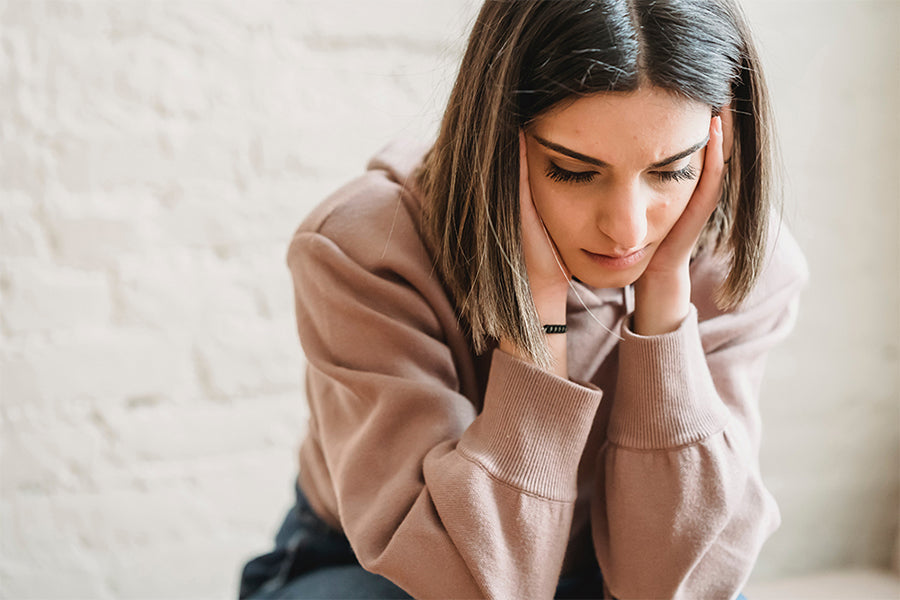
Stressed out? That could be the reason behind your skin problems. Research has shown that stress has a negative effect on the skin and on many skin conditions, such as psoriasis, dermatitis, acne and hair loss.
Why does this happen?
→ When we're stressed, the body releases stress hormones such as cortisol and adrenaline. This leads to excess sebum production, which can clog pores and cause breakouts.
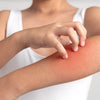
→ Stress as a response to “danger” (an upcoming exam, pressure at work, an argument with your partner…) activates the immune system, which triggers inflammation in the body. When there's an infection or an injury, this is a helpful response that protects the body. But with stress, the immune system overreacts, and the inflammation causes rashes and redness, makes the skin more sensitive and slows down healing.
→ Stress also affects the balance of bacteria in the gut, which can again lead to inflammation. Internal inflammation can show up on the outside as skin conditions such as acne, dermatitis, rosacea and psoriasis. It can also make existing inflammatory skin conditions worse.
→ When we're stressed and on edge, we often touch our face without realising, transferring bacteria onto it – and scratching or squeezing spots damages the skin and makes it take longer to heal.
We can't simply run away from all the stress in our lives, so we need to learn how to deal with it properly.
10 ways to reduce the effect of stress on your skin
- LOOK AFTER YOUR SKIN
Even when you're overloaded and short on time, try to stick to at least a basic skincare routine every day: cleansing, moisturising, anti-ageing and, in the morning, a cream with SPF. Neglecting your skin can make it even worse.

- EXERCISE
Exercise releases happy hormones that improve your mood, energy and appearance.
- RELAX
Take some time for yourself and do things that make you happy and recharge you. Read a book, run a bath, get a massage, listen to music…

- GO FOR A WALK
Take at least 15 minutes and go for a walk. Fresh air and walking are proven to lower stress and anxiety.
- PRACTISE STRESS-RELIEF TECHNIQUES
Try techniques that reduce stress, such as breathing exercises, yoga, meditation and visualisation.

- GET ENOUGH SLEEP
Your body rests and regenerates while you sleep, so aim for at least 7 to 8 hours. Good sleep improves your mood and energy.

- EAT HEALTHY MEALS
A healthy, balanced diet with whole foods, enough protein and plenty of fresh fruit and vegetables improves how you feel and how your skin looks. Processed food and food high in sugar, on the other hand, increase inflammation in the body.

- AVOID ALCOHOL
In the long run, alcohol makes stress and anxiety worse and disrupts your sleep.

- SET BOUNDARIES
Set your priorities and learn to say no. Setting boundaries can lower your stress levels and free up more time for the things that really matter to you.

- ASK FOR HELP
If you feel overwhelmed, ask a friend for help or reach out to a professional therapist.

-
Posted in
Kako zmanjšati stres, Vpliv stresa na kožo